Insulation materials
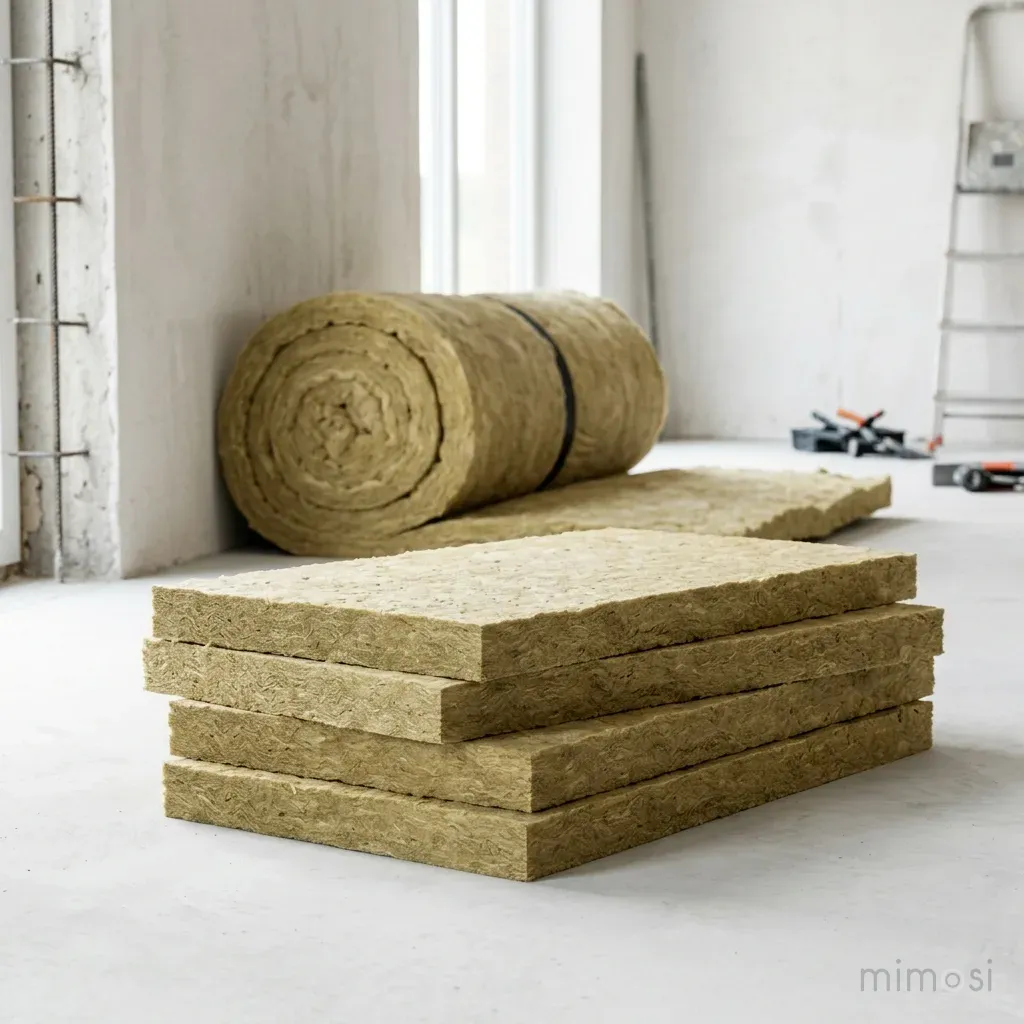
Stone wool boards and rolls
Non-combustible (A1) stone wool for thermal, acoustic and fire insulation of façades, roofs, partitions and se...
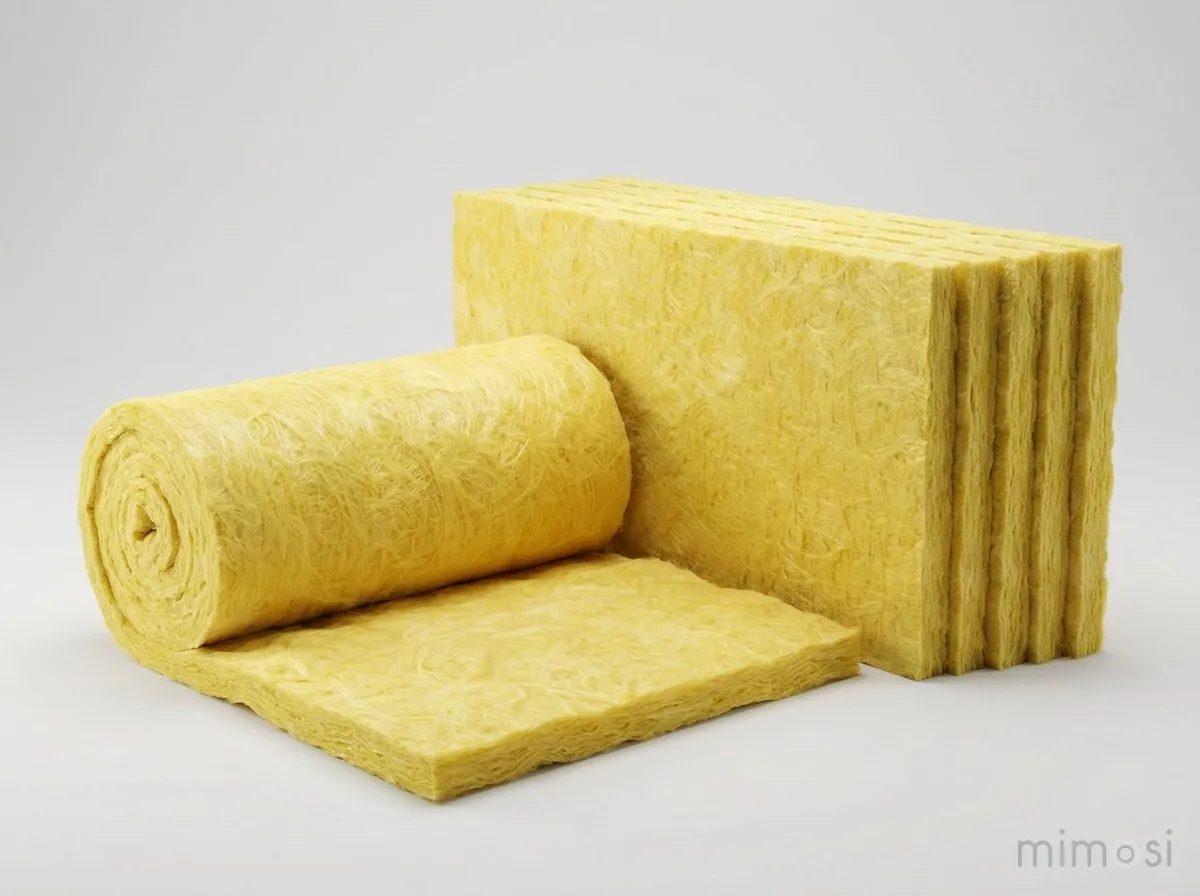
Insulation materials
Light, economical thermal and acoustic insulation in compressed packs for lofts, lightweight partitions and suspended ceilings.
Price, minimum order quantity and lead time are quoted per request.
Use the request list to request several products at once.
Saves energy by cutting heat loss. Recycled glass can be used in production; light, compressed packs reduce freight volume and transport emissions.
| Code | Type | Use | Size (mm) | Thickness (mm) | Density / weight | λ (W/mK) | Fire class | Add to request list |
|---|---|---|---|---|---|---|---|---|
| MM-GW-R | Roll, unfaced | Lofts and between floors | 1200 × 5000–12000 | 50–200 | 10–14 kg/m³ | 0,040–0,044 | A1 | |
| MM-GW-AL | Aluminium-foil faced roll | Metal roofs, ducts and services; vapour-barrier face | 1200 × 5000–10000 | 50–100 | 14–16 kg/m³ | 0,040 | A2-s1,d0 | |
| MM-GW-KR | Kraft-faced roll | Timber and steel roofs, light wall cavities | 1200 × 6000–10000 | 50–150 | 12–16 kg/m³ | 0,040 | ||
| MM-GW-P | Slab for partitions and ceilings | Drywall partitions, suspended ceilings, acoustics | 600 × 1200 | 40–100 | 16–32 kg/m³ | 0,032–0,035 | A1 | |
| MM-GW-F | Facade slab, glass-tissue faced | Ventilated facades | 600 × 1200 | 50–150 | 32–40 kg/m³ | 0,032 | A2-s1,d0 |
Codes are Mimosi reference codes – just quote the code in your request. Values are typical; exact values are given in the data sheet with our offer.
Include these details in your request and we can confirm price and lead time in our first reply.
Glass wool is made by melting glass raw materials and spinning them into fibres. Its low weight and compressed packing keep freight costs down; it is widely used in lofts and plasterboard partitions.
Aluminium-foil or glass-tissue faced versions are also suitable for duct and building services insulation.
| Fire class | A1 / A2 (depending on facing) |
|---|---|
| Thermal conductivity (λ) | 0.032–0.044 W/mK |
| Thickness | 50–200 mm |
| Facing | Unfaced, kraft, aluminium foil, glass tissue |
Shows that the product meets the relevant EU regulations and harmonised standards; for construction products it comes with a Declaration of Performance (DoP).
Applies in: European Union and EFTA countries; widely accepted as a reference in many Middle East, African and Central Asian markets
European standard under which the product's dimensions, strength and performance are tested.
Applies in: EU and EFTA; adopted as TS EN in Türkiye and BS EN in the UK; specified in many international projects
Documents vary by country and region. Please specify the documents you need in your request.
Insulation materials
Non-combustible (A1) stone wool for thermal, acoustic and fire insulation of façades, roofs, partitions and se...
Insulation materials
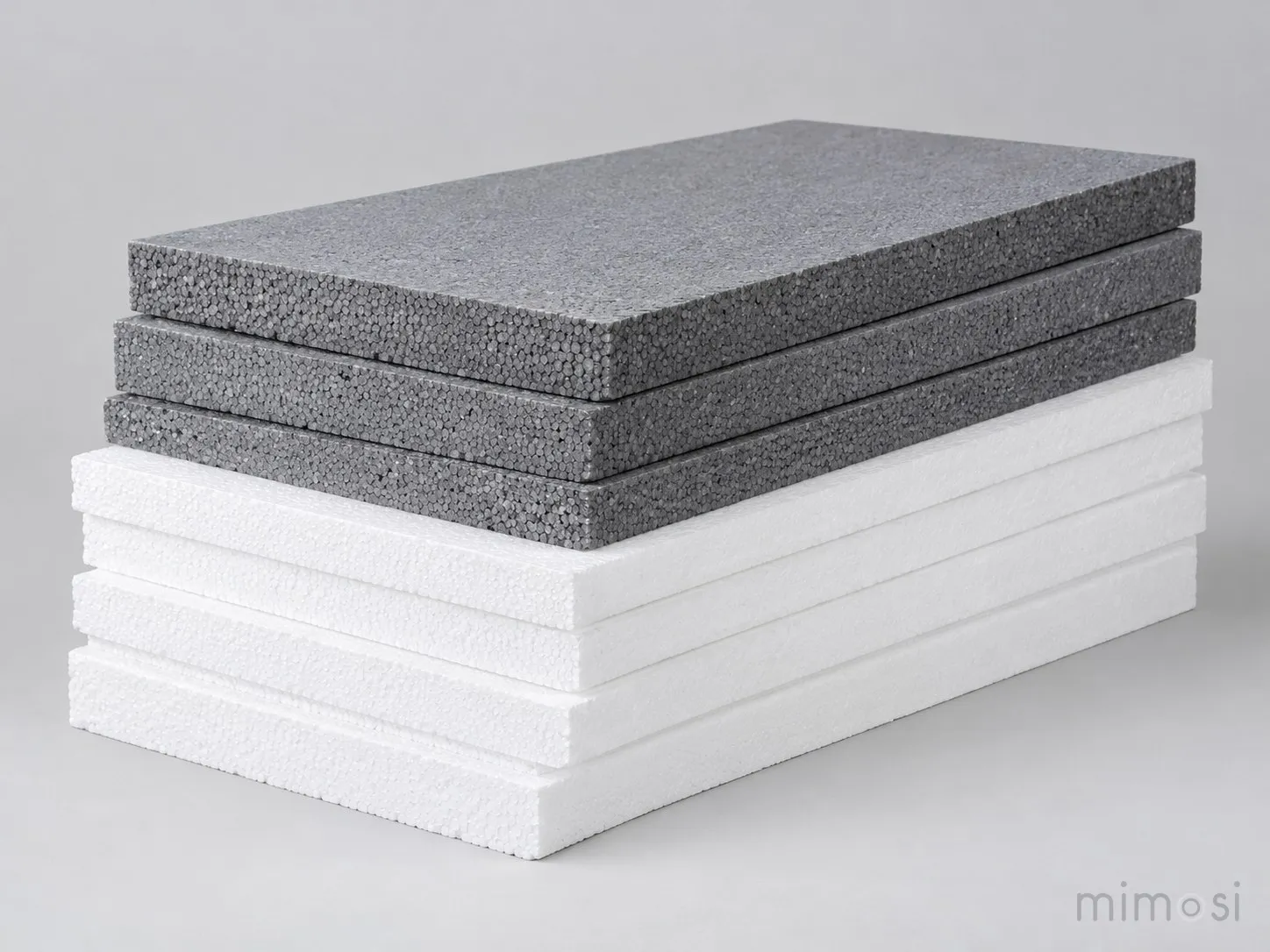
White and graphite expanded polystyrene boards for ETICS façades, floors and roofs.
Insulation materials
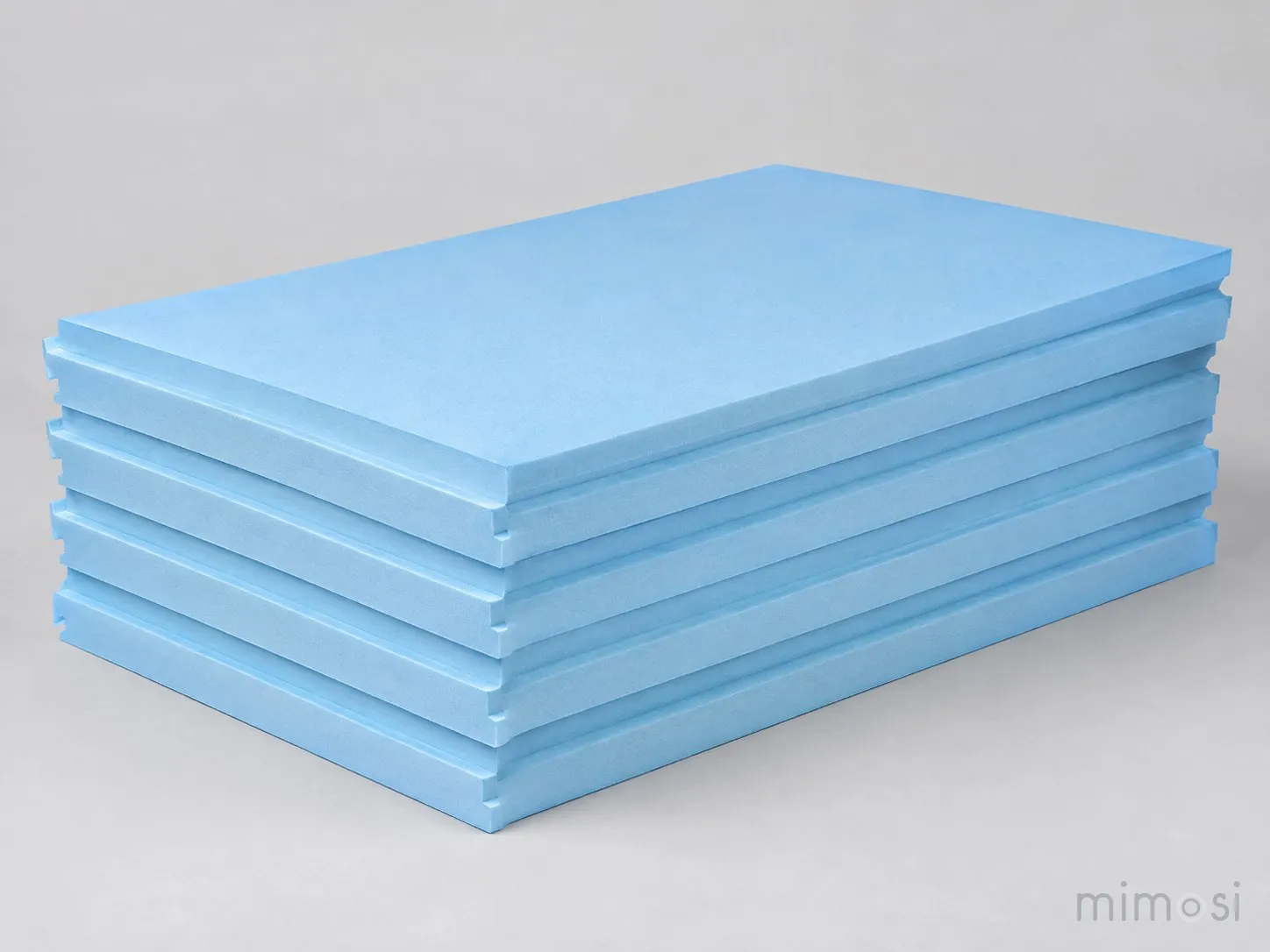
Moisture-resistant, high-compressive-strength extruded polystyrene boards for foundations, basements, flat roo...
Insulation materials
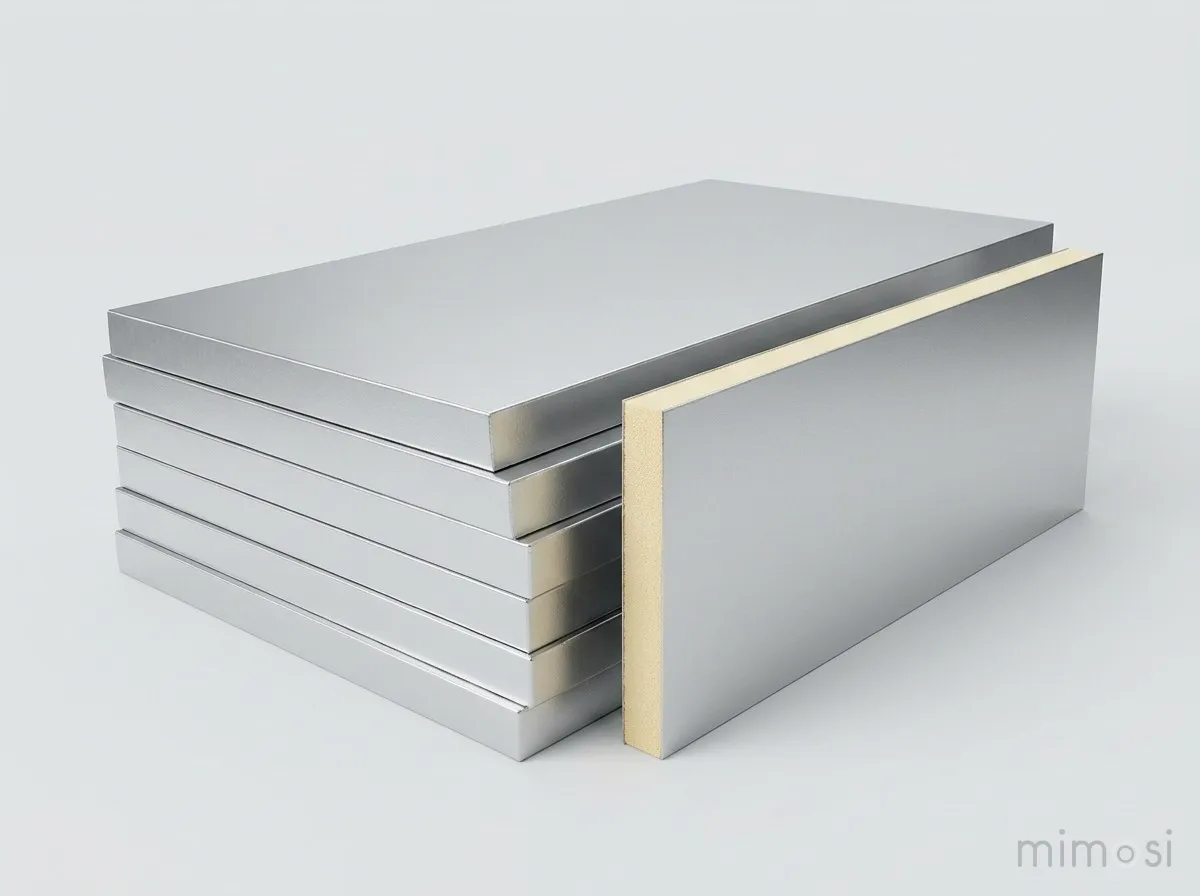
Polyurethane and polyisocyanurate boards with aluminium or glass-tissue facings, offering high insulation at l...